
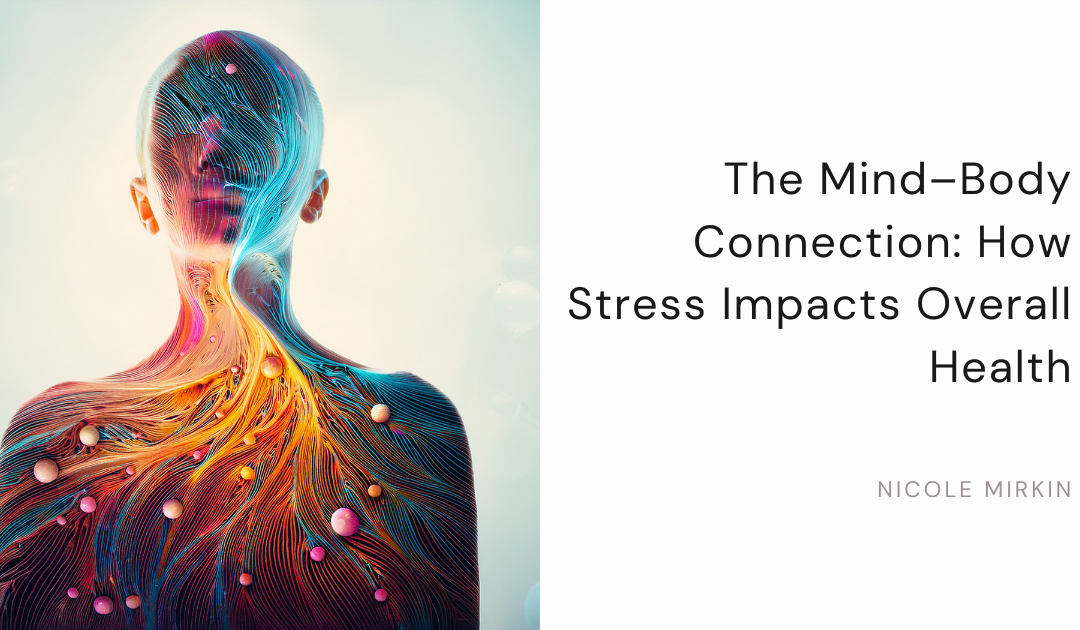
Stress affects more than mood; it impacts the mind and body in profound ways. Emotional, cognitive, and behavioral responses to stress influence daily functioning, relationships, and overall quality of life. Understanding the mind–body connection allows individuals to address stress holistically, promoting resilience, emotional balance, and sustainable well-being.
How Stress Manifests in Daily Life
Stress can present as persistent worry, irritability, fatigue, or difficulty concentrating. Over time, chronic stress may disrupt sleep, reduce motivation, and strain relationships. Individuals may experience emotional reactivity or difficulty managing frustration, affecting personal and professional interactions. Recognizing these manifestations is the first step in addressing stress effectively.
The Role of Emotional Awareness
Emotional awareness is central to understanding the mind–body connection. Recognizing how stress affects thoughts, emotions, and behaviors allows individuals to respond proactively rather than reactively. Awareness helps identify early warning signs, patterns of rumination, and areas where coping strategies can be implemented to mitigate stress’s impact.
Coping Strategies and Stress Management
Practical strategies help manage stress and reduce its effects on the mind and body. Techniques such as mindfulness, deep breathing, grounding exercises, structured routines, and physical activity can regulate emotional responses and restore balance. Incorporating consistent relaxation practices into daily life reduces reactivity and strengthens resilience.
The Role of Cognitive Patterns
Thought patterns influence how stress is experienced. Catastrophizing, negative self-talk, and rigid thinking intensify stress responses. Recognizing these patterns allows individuals to reframe thoughts, approach challenges with flexibility, and develop healthier coping mechanisms. Cognitive strategies help reduce emotional overload and restore a sense of control.
Social and Environmental Factors
Supportive relationships and a structured environment buffer the impact of stress. Emotional validation, open communication, and problem-solving within relationships reduce tension and enhance resilience. Environmental factors such as predictable routines, balanced workloads, and opportunities for rest contribute to overall stability and well-being.
Professional Guidance and Mind–Body Awareness
Psychologists help individuals understand the interplay between thoughts, emotions, and behaviors under stress. They provide guidance in identifying stress patterns, building emotional regulation skills, and implementing strategies that support both psychological and behavioral stability. Mind–body awareness promotes insight into triggers and encourages intentional choices that foster long-term well-being.
Conclusion
Stress affects the mind and body in interconnected ways. By developing emotional awareness, addressing cognitive patterns, utilizing coping strategies, and fostering supportive relationships, individuals can reduce the impact of stress on daily life. Understanding the mind–body connection provides a framework for resilience, emotional balance, and sustainable mental health, empowering individuals to navigate challenges with clarity and confidence.